Buying a House in Tasmania

What You Need to Know

Licensed Builder CC6758 · 40+ Years Experience · ★★★★★ 4.9 from 191+ Real Client Google Reviews

Understanding Tasmanian Real Estate Contracts and Defect Clauses

Real estate contracts in Tasmania include several unique terms, particularly around defect limits and building inspections.
Unlike other states, many Tasmanian contracts contain a “defect clause” that can restrict your ability to renegotiate or withdraw from a purchase after an inspection.

This guide was written by a Licensed Builder (CC6758) with over 2,500 building inspections completed across Tasmania in the past decade. It explains the key clauses to look for, how defect limits operate, and why a thorough pre-purchase building inspection is essential before signing.
Whether you’re a first-time buyer or an investor, understanding the fine print can save you thousands.

Many buyers arrange a professional
Pre-Purchase Building Inspection in Hobart
before signing a contract to identify structural or moisture issues early.

What You Need to Know Before Buying a House in Tasmania

  • Buyers must perform due diligence and arrange their own building inspection before signing.
  • Vendor disclosure requirements are limited, so getting a building inspection helps protect you.
Due Diligence Checklist

Get mortgage pre-approval to define your budget.
Arrange a licensed pre-purchase building inspection and pest report.
Request a Land Information Certificate (337 Certificate) from your council to check zoning and permits.
Have a solicitor or conveyancer review the contract of sale and title plan.
Budget for stamp duty, legal fees, and inspection costs (typically 7–11 % of purchase price).

Buying a house in Tasmania – pre-purchase building inspection
1

Buying a House in Tasmania

Buying a house in Tasmania comes with unique challenges — and some hidden risks.
The right building inspection and contract advice can save you thousands and give you peace of mind when making such a big investment. Before buying a house in Tasmania, make sure you understand your legal obligations and always arrange a licensed pre-purchase inspection.

Hobart building inspection by licensed builder Chris Westcott
2

Understanding a Tasmanian Real Estate Contract

Property contracts in Tasmania are different from those in other states. Most include a defect clause with a defect limit that directly impacts your ability to negotiate or withdraw after an inspection.
Understanding these limits — and acting quickly — is essential. Without the right inspection and advice, you could be locked into a property with major problems.

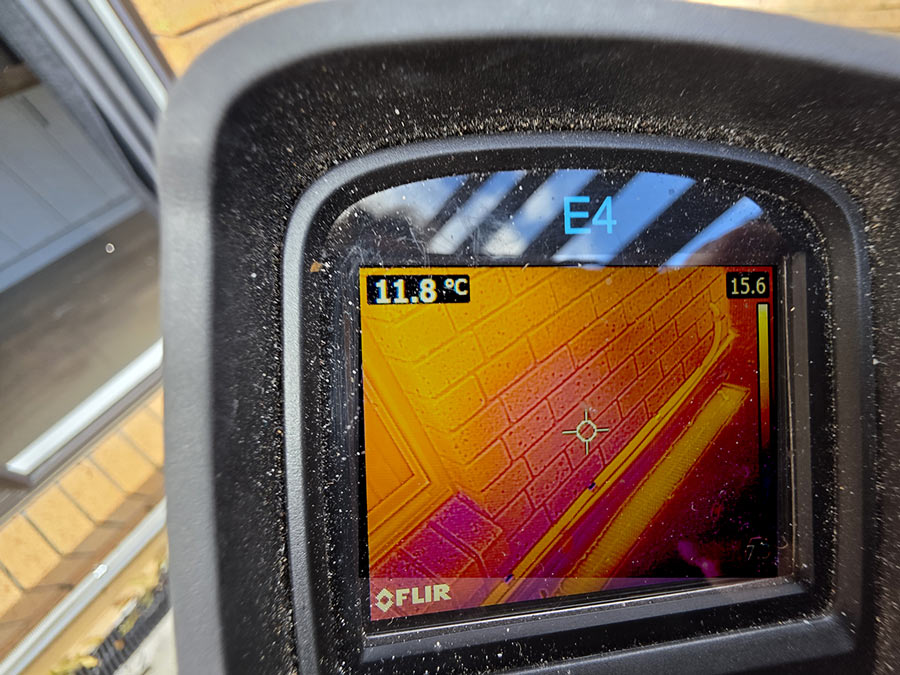
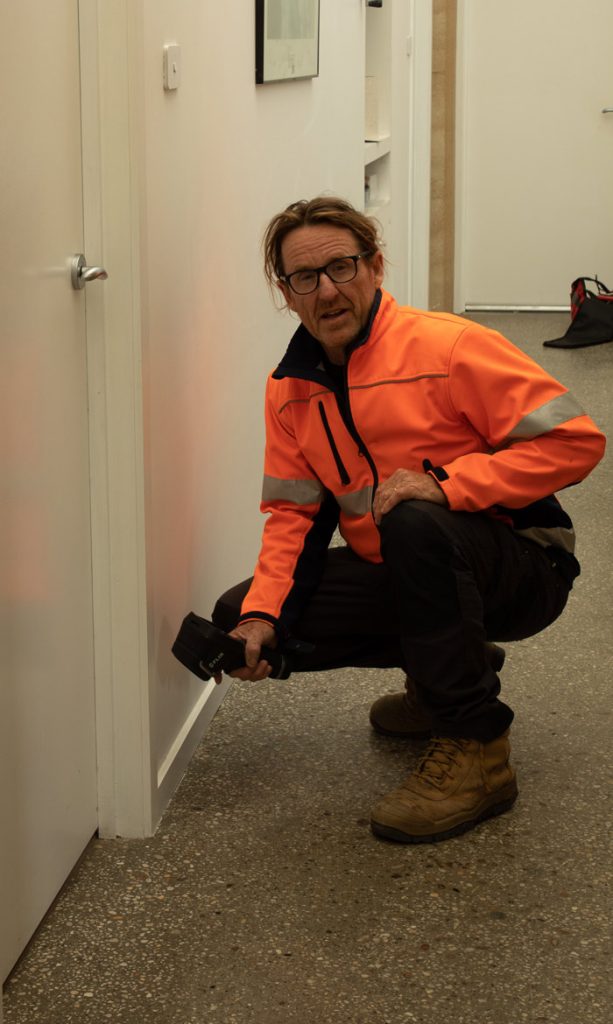
Thermal imaging building inspection Hobart detecting concealed defects in brick wall
3

Understand the Defect Limit

In Tasmania, property contracts almost always include a defect limit clause.
Before May 2017, this limit was fixed at 1%, but today it can range from 1% to 5%, and in some cases, even as high as 10%.

When buying a house in Tasmania, always review this clause carefully and ensure you choose your own independent building inspector.

Be aware that some agents have a habit of pre-filling or suggesting the defect limit on your behalf — which may not be in your best interest.

💡 Tip: Always try to negotiate a defect limit of 1%, or cap it at $10,000, to protect yourself. Anything higher can shift costly repairs and liability onto the buyer.

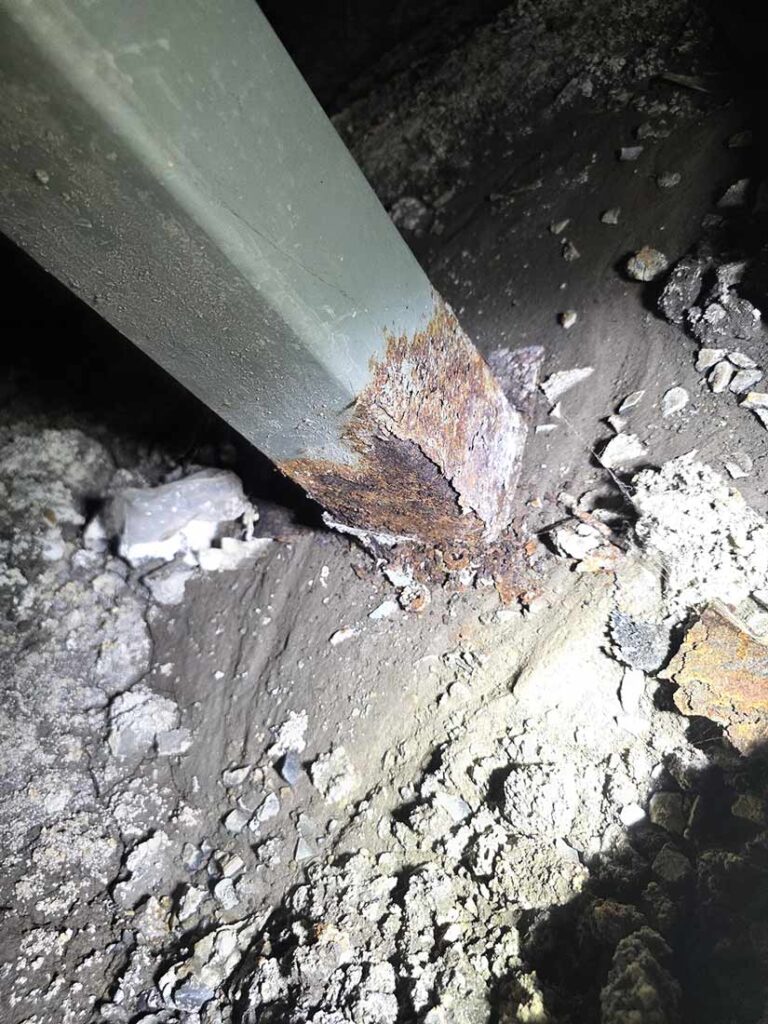
Rust damage at steel post base found during Hobart building inspection
4

Why a High Defect Limit is Dangerous

Imagine buying a $1,000,000 home with a 3% defect limit — that’s a $30,000 allowance.
If your inspection uncovers $25,000 in repairs, you’d be forced to proceed, covering the cost yourself.
To rely on the defect clause, you also need formal quotes. Agents may demand proof within 7–14 days, but Tasmanian trades are often booked weeks ahead. This makes obtaining quotes stressful — and sometimes impossible.

Buying a House in Tasmania
5

Choose Your Own Inspector

You always have the right to pick your own inspector.
An agent cannot dictate who inspects the property or influence the outcome of the report.
🚩 If an agent insists on “their” inspector, treat it as a warning sign. Protect yourself with an independent inspector you trust.

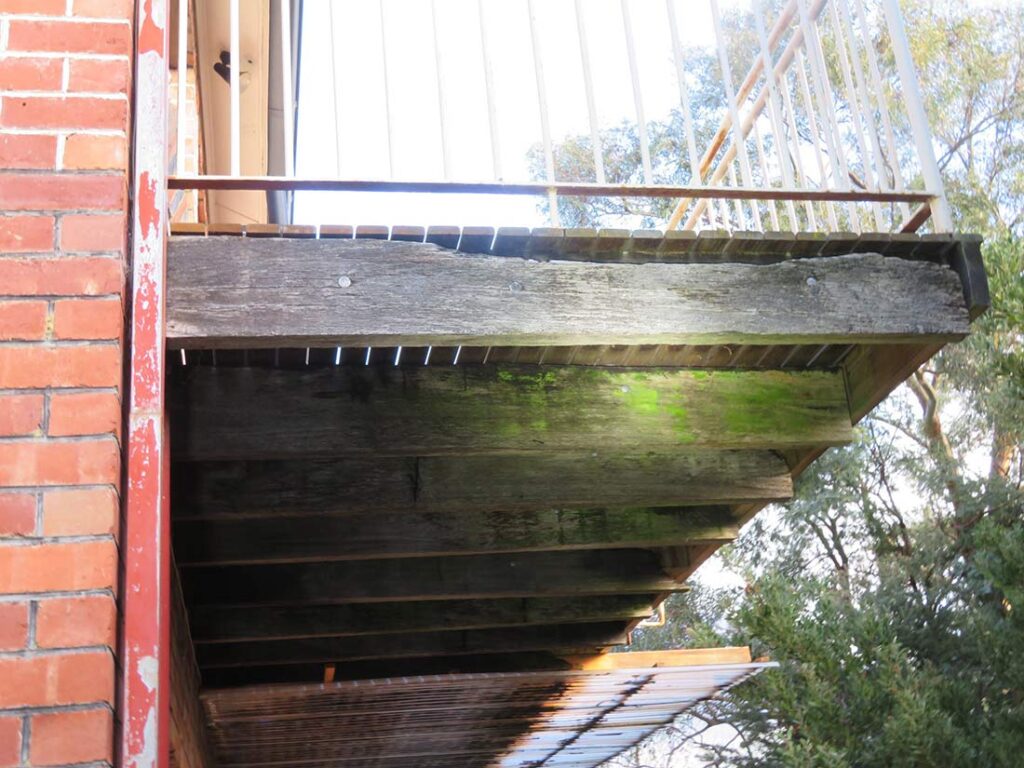
Timber balcony with rot and decay found during Hobart building inspection in New Town
6

Why Credentials Matter


A building inspection is one of the most important steps in your purchase. Always check:
Licensing – Confirm your inspector is a Licensed Builder with the Department of Justice Tasmania.
Insurance – They must hold Professional Indemnity insurance. Without it, they can’t certify defects in a dispute.
Report quality Avoid tick-box reports. Choose a photographic report with every defect documented for clarity and protection.


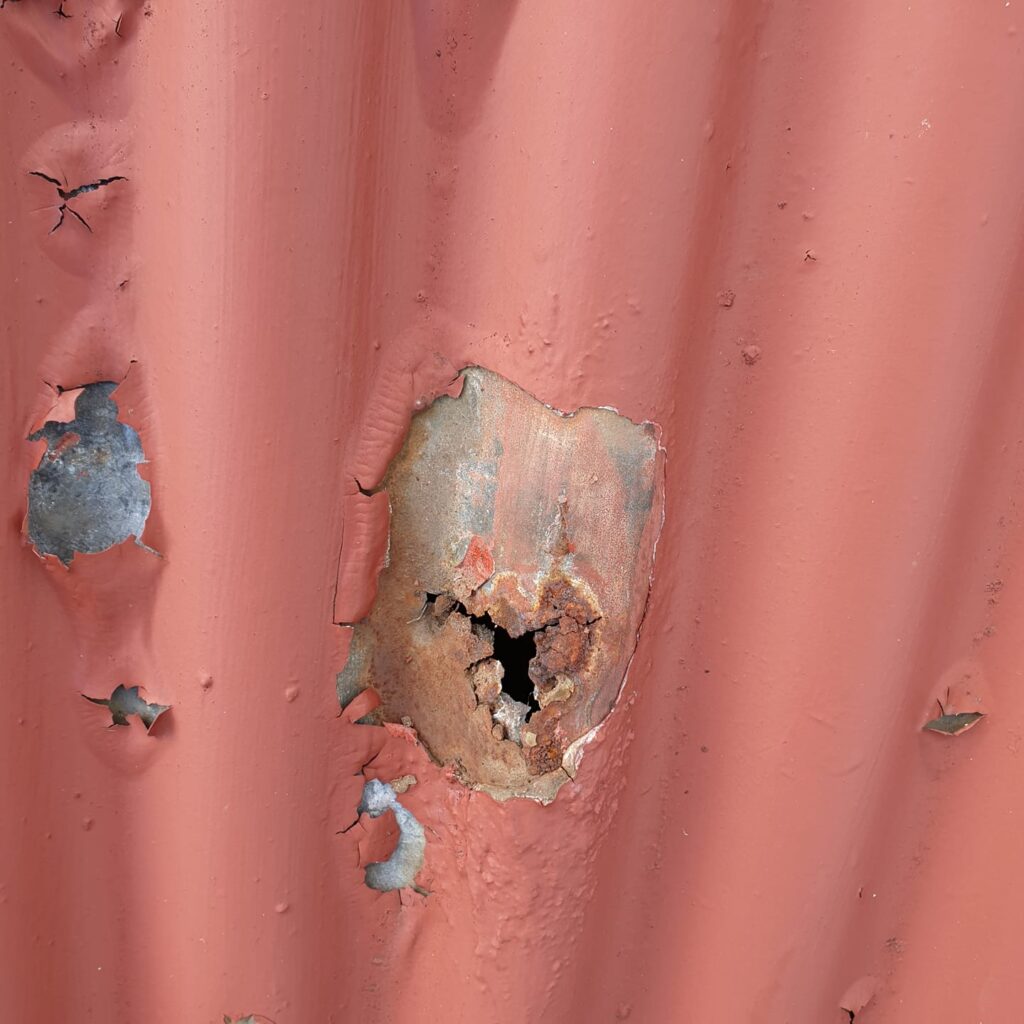
Severe rust and holes in corrugated roof sheet found during Hobart roof inspection

7

Book Your Inspector Early

Where possible, line up your building inspector before you sign. This lets you use the 3-day cooling-off period to your advantage and reduces the risk of being locked into a bad deal.

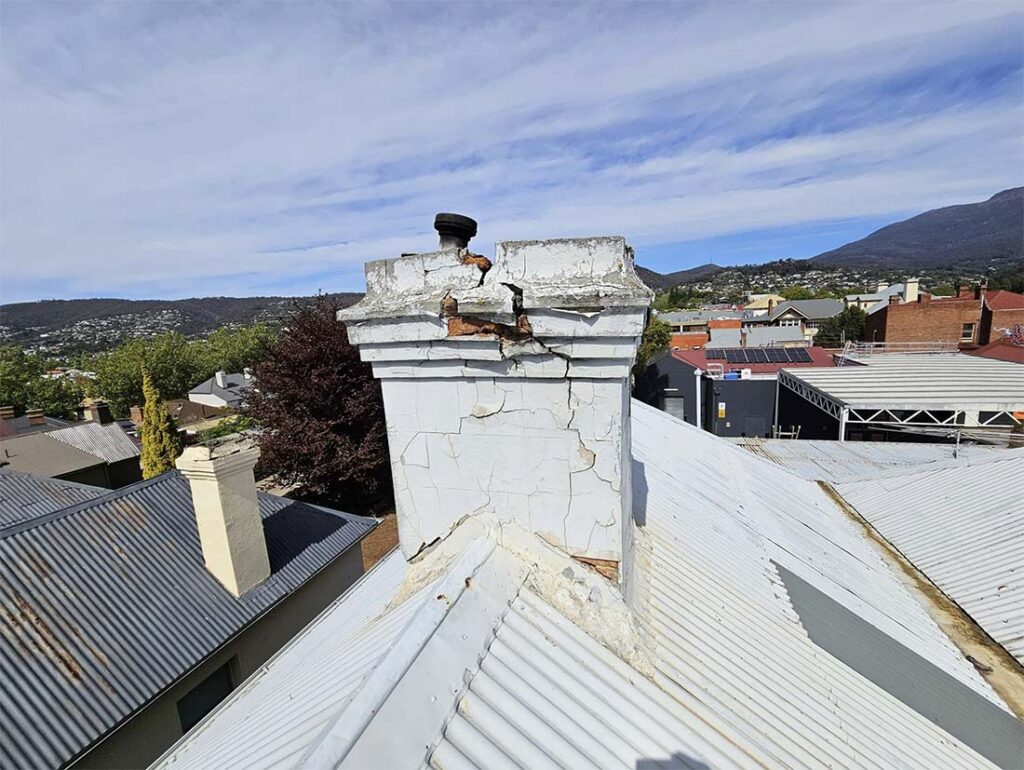
Cracked brick chimney with structural damage identified during Hobart building inspection
8

Negotiation Tips

Keep the defect limit low.
Insist on at least 7–10 days for the inspection (21 days over Christmas period minimum, 14 days over easter).
Always include a cooling-off period.
Be prepared to walk away if the seller refuses a fair limit.

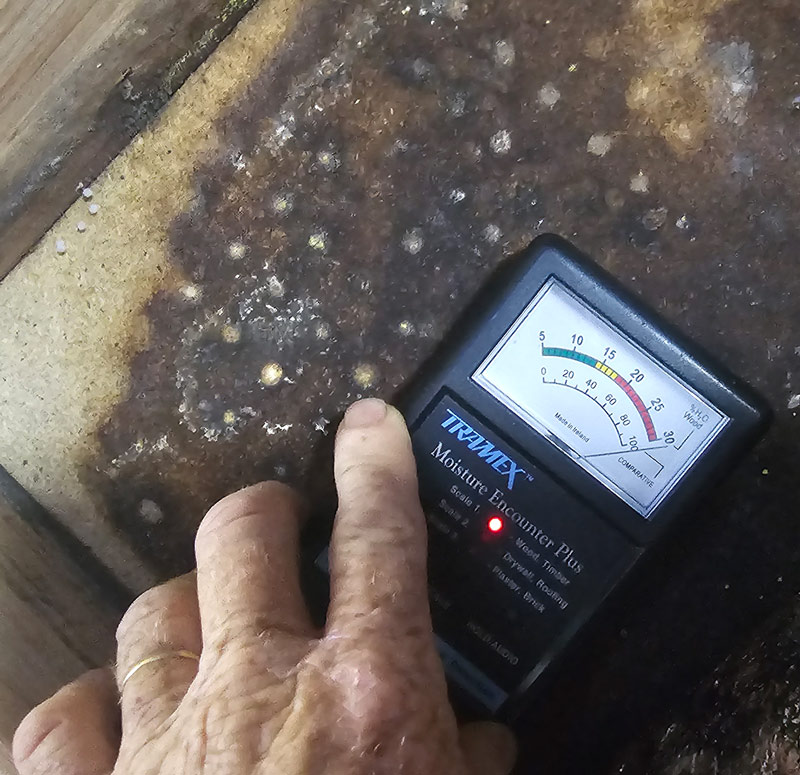
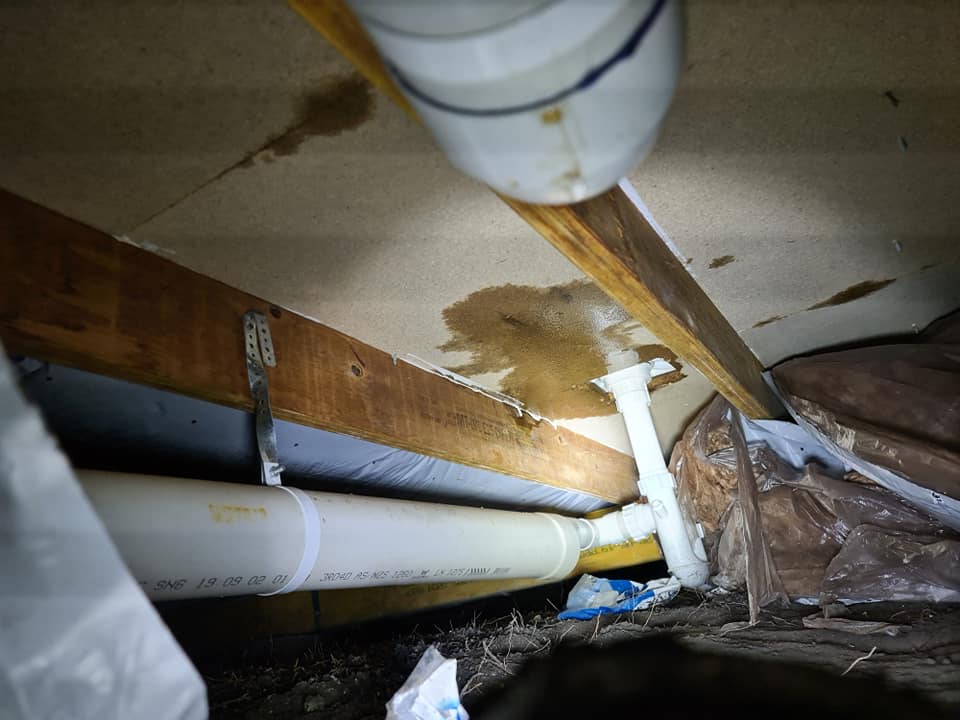
Bathroom leak under house with moisture damage found during Hobart building inspection
9

Don’t Skip Legal Advice

Trying to handle the legal process yourself might save a small fee, but it can cost you dearly. A good lawyer or conveyancer can protect you from costly mistakes and ensure your rights are preserved.

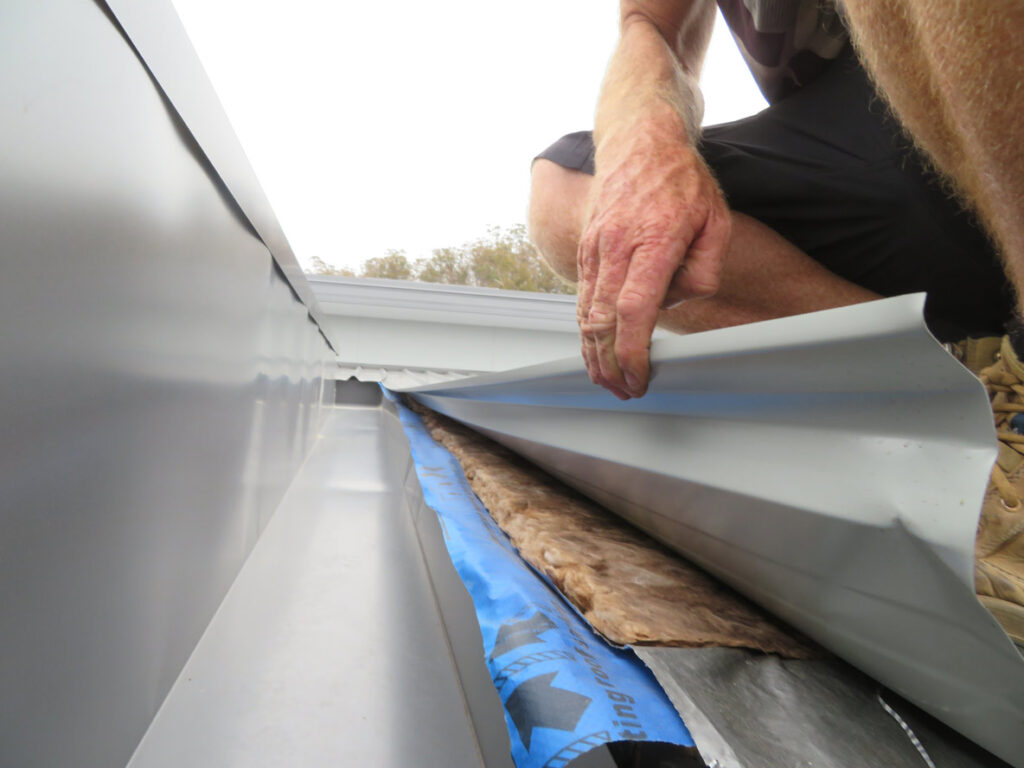
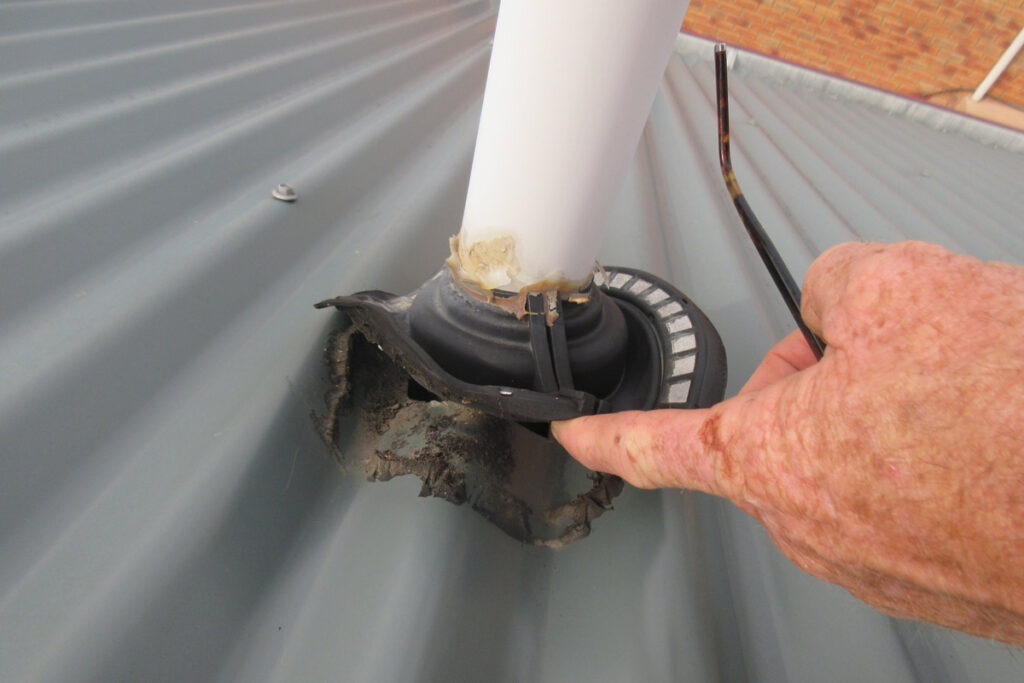
Hobart building inspector checking leaking roof pipe penetration and flashing damage
10

Insure the Property Immediately

In Tasmania, buyers become legally responsible for the property once contracts are exchanged — not at settlement.
That means you should arrange building insurance immediately after signing. I’ve seen vacant homes broken into after exchange, leaving uninsured buyers to cover the damage.

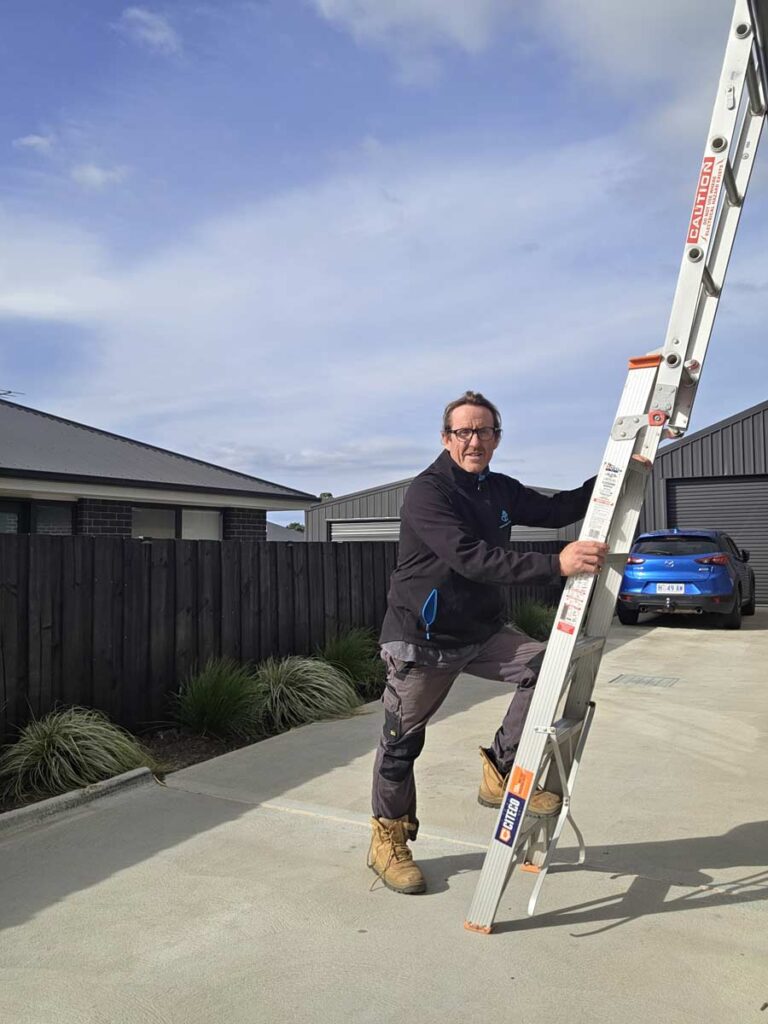
Hobart building inspector Chris from Hobart Building Inspections on site
11

Final Word


Buying property in Tasmania without an inspection is like playing Russian roulette with your savings.

✔ Always include a building inspection clause.
✔ Keep the defect limit at 1% (or $10,000).
✔ Allow enough time for the inspection.


Every month, I hear from buyers who skipped these steps and now face expensive repairs. Don’t let that be your story — protect yourself with a thorough, independent inspection.

Frequently Asked Questions

How to Interpret Online Reviews When Choosing a Building Inspector

Online reviews can be a valuable source of information when choosing a building inspector, but they should never be the only factor in your decision.
Australia’s consumer regulators have warned businesses and consumers that misleading or incentivised online reviews can influence purchasing decisions. While many online reviews are genuine, it’s important to look beyond the overall star rating.

As the owner of Hobart Building Inspections, I receive unsolicited phone calls and emails almost every week from companies offering to sell Google reviews or artificially improve online ratings.

In more than 40 years in the building industry, I have never purchased reviews or paid anyone to write customer feedback. Every review has come from genuine clients following a completed inspection.

When comparing building inspectors, take the time to look beyond the total number of reviews. Consider the overall credibility of the business, its experience, qualifications and reputation within the local community.

Some of the most important things to look for include:

Is the inspector a Licensed Builder in Tasmania?

Does the business have Professional Indemnity and Public Liability Insurance?

How long has the business been operating?

Do the reviews span many years, or have they appeared in a very short period?

Are the reviews detailed and specific about the inspection, property type or suburb?

Does the inspector produce comprehensive photographic reports rather than simple tick-box checklists?

Does the business have a history of repeat clients and referrals?

A high star rating alone doesn’t always tell the full story.

Long-established businesses often have a natural mix of overwhelmingly positive reviews together with the occasional criticism. This is generally a sign of genuine customer feedback collected over many years.

Another useful indicator is the history of the business itself. Look for evidence that it has been operating consistently over many years.

An established website, long-term customer feedback and a proven local reputation can all help build confidence when choosing a building inspector.

The Internet Archive’s Wayback Machine allows you to see how long a website has existed and how it has evolved over time.

For one of the biggest financial decisions you’ll ever make, it’s worth looking beyond review numbers.

Experience, licensing, insurance, report quality and a proven history of helping buyers make informed decisions are usually far more reliable indicators of a professional building inspector than star ratings alone.

Buying a home is likely to be one of the biggest financial decisions you’ll ever make. Choosing a building inspector based on experience, qualifications, independence and the quality of their reports is far more important than simply comparing star ratings. A thorough inspection from an experienced Licensed Builder can save you thousands of dollars and give you confidence in your purchase.

What our Clients Say

⭐⭐⭐⭐⭐191+ 4.9-Star Google Reviews

“Chris was phenomenal. He checked our future home in Howrah and did an extensive review. I would 100% recommend Chris, especially for people who may not be from Hobart or Tasmania.” – Harrys C.

“Your property is your biggest investment and ideally you don’t want to be spending more than $10k when you purchase a house. So, never waive the building inspection clause.” – Liz J.

Call Now 0417 589 089

For more Information about buying a house in Tasmania


Check out our Frequently asked questions page
or our Pre-Purchase Building Inspection Page

Important Information

The information provided on this page is general in nature and is intended as a guide only. It does not constitute legal, financial, or contractual advice.
Property purchase conditions, defect clauses, and contract terms can vary depending on the property, vendor, and legal agreement in place.
Buyers should seek independent advice from a qualified solicitor or conveyancer to fully understand their rights and obligations before entering into a contract.
Building inspections are visual, non-invasive assessments conducted at a specific point in time. They do not guarantee the absence of defects and may not identify all concealed or inaccessible issues.

Book Your Inspection Today

Scroll to Top